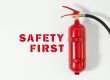
Many people believe that simply having a fire extinguisher on the wall guarantees safety. In reality, that assumption can be dangerous. Every day at Firetronics, we see examples of fire extinguishers not working because they have not been maintained properly, are placed in areas where they cannot be accessed easily, or are affected by a lack of knowledge about how to use them. As a result, if you have a fire extinguisher that is not maintained properly or is not the correct one for the situation, it will not work when you need it. This article will help you understand why you should never assume your fire extinguisher will always work and give you some tips on how to ensure your fire protection system at home or in the office is reliable.
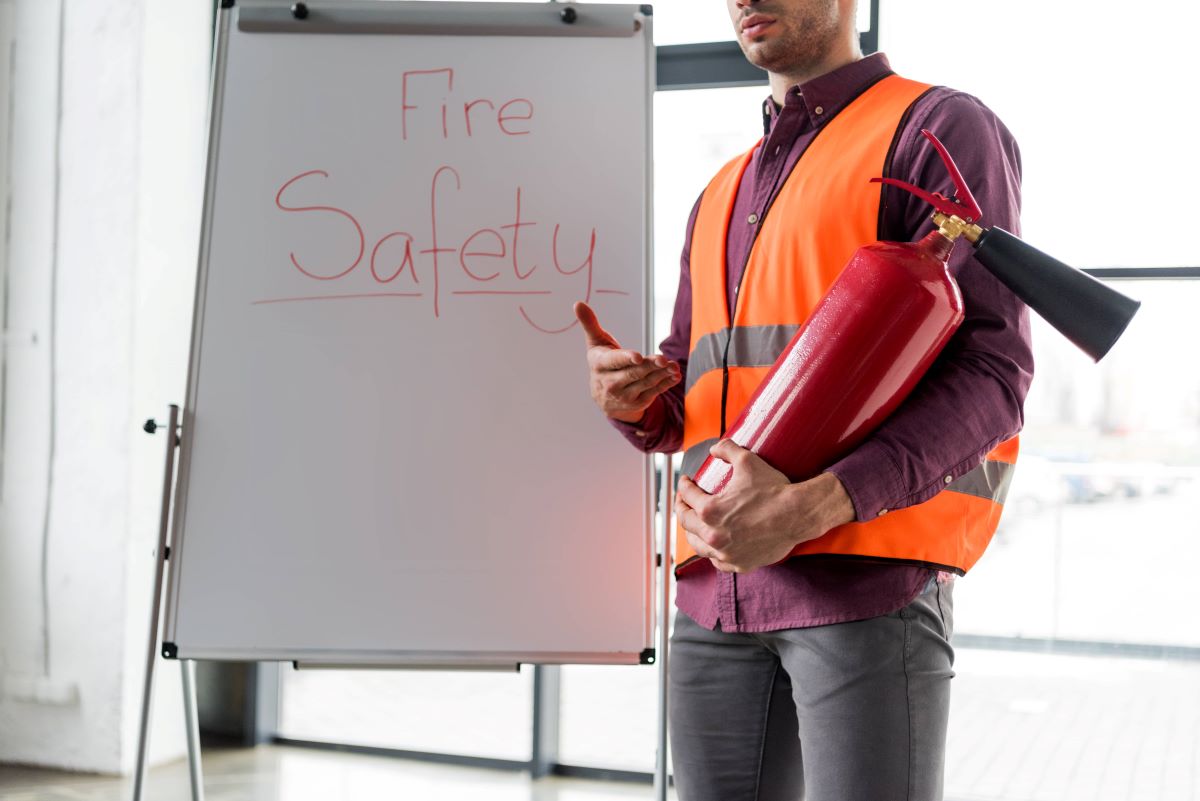
Why You Should Never Assume Your Fire Extinguisher Will Work
It is easy to overlook fire safety equipment during daily routines. However, emergencies do not give warnings. A fire extinguisher that has not been checked regularly may not function when needed.
We have seen situations where pressure levels drop, components wear out, or the extinguisher is simply not suitable for the type of fire. Without proper checks, even the best equipment can fail. This is why relying on assumptions instead of preparation can lead to serious consequences.
Common Reasons Fire Extinguishers Fail
The first step in preventing fire extinguisher failures is to understand why they occur. Among the most typical causes are:
- Lack of maintenance: Over time, internal pressure can decrease, making the extinguisher ineffective.
- Expired units: Every fire extinguisher has a service life. Using an expired unit can be risky.
- Incorrect type: Not all extinguishers are suitable for every fire. Using the wrong one can worsen the situation.
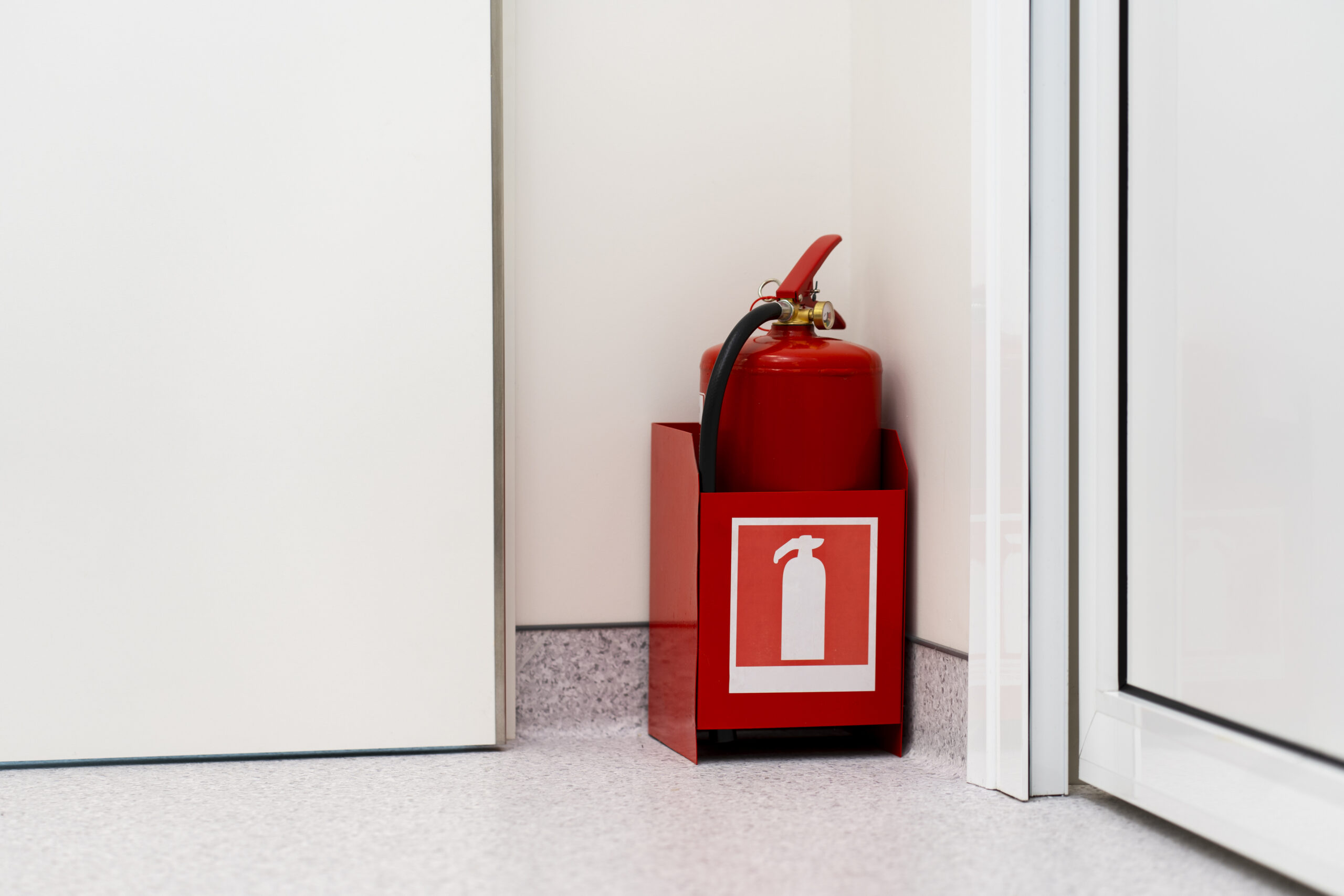
- Blocked or inaccessible placement: If the extinguisher is hidden or difficult to reach, it cannot be used quickly during emergencies.
- Lack of user knowledge: Many people are unsure how to operate fire extinguishers, which delays response time.
These problems show why it’s important to plan ahead and check things regularly to keep fires from happening.
The Role of Fire Extinguishers in a Complete Safety System
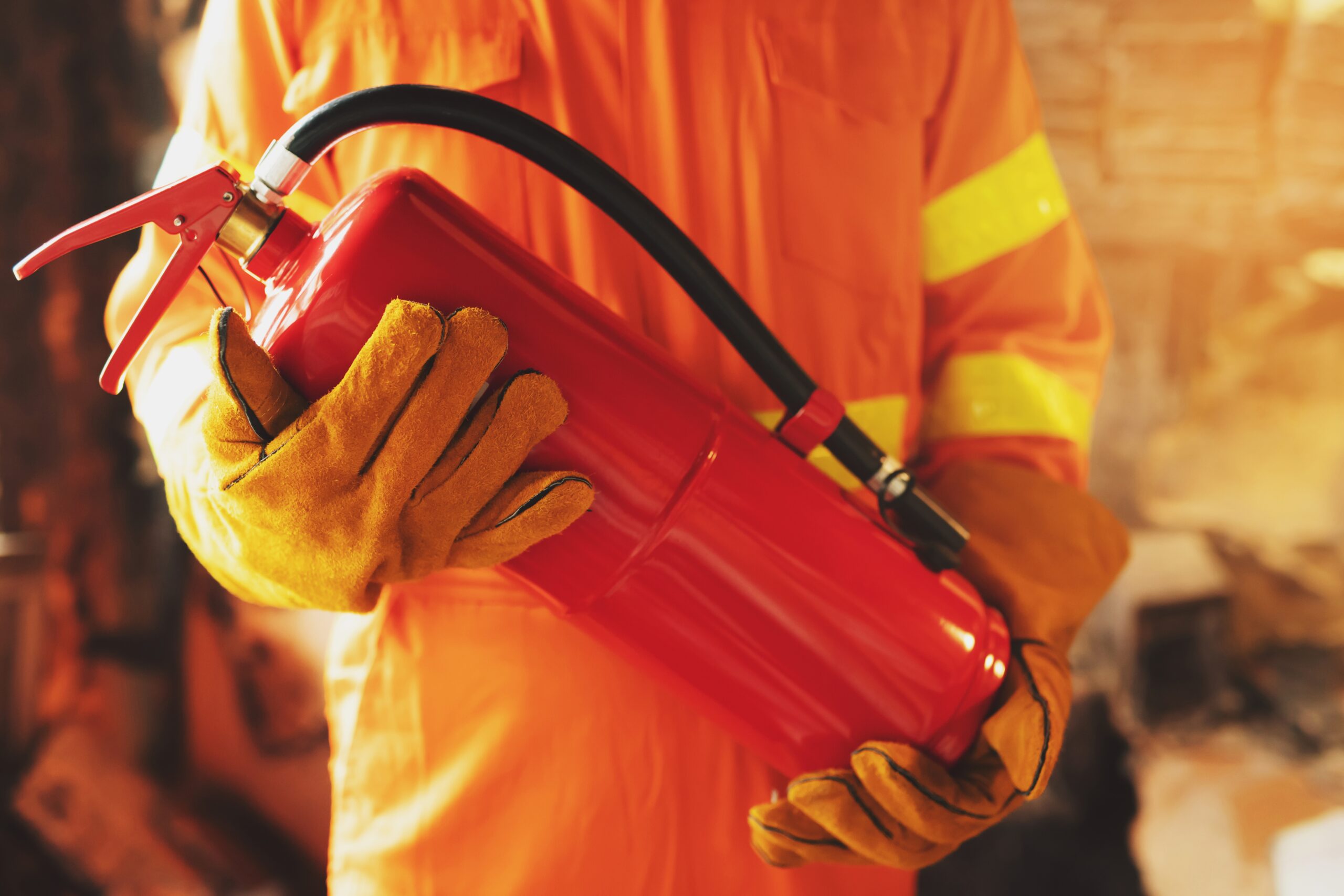
While fire extinguishers are crucial, they are only one part of a broader fire safety strategy. A well designed system includes multiple layers of protection.
A fire alarm system helps detect and alert occupants early. A fire sprinkler system automatically controls flames in larger spaces. Advanced solutions like FM200 systems are used in areas with sensitive equipment. Together, these systems support effective fire protection and reduce risk.
We always recommend treating fire extinguishers as part of an integrated safety plan rather than a standalone solution.
Key Checks to Ensure Your Fire Extinguisher Works
The easiest way to make sure something is reliable is to check it often. Firetronics tells property owners to do these simple checks:
- Ensure the pressure gauge is within the recommended range
- Look for leaks, corrosion, or damage that you can see.
- Confirm that the safety pin and seal are intact
- Verify that the extinguisher is easily accessible
- Review the service tag for the last inspection date
These small steps can make a significant difference during an emergency.
Table: Quick Fire Extinguisher Readiness Checklist
|
Check Item |
What to Look For |
Why It Matters |
|
Pressure level |
Gauge in green zone |
Ensures proper discharge |
|
Physical condition |
No dents or rust |
Maintains reliability |
|
Accessibility |
Easy to reach |
Enables quick response |
|
Service date |
Recently inspected |
Confirms readiness |
|
Correct type |
Suitable for environment |
Prevents misuse |
Why Training and Awareness Matter
Even the best fire extinguisher is ineffective if people do not know how to use it. Training plays a vital role in fire safety.
We always advise building occupants and employees to learn the basic PASS method:
- Pull the pin
- Aim at the base of the fire
- Squeeze the handle
- Sweep from side to side
Understanding these steps improves confidence and ensures quicker action during emergencies.
The Cost of Ignoring Fire Safety
Not following fire safety rules can have serious effects, such as:
- Property damage
- Business downtime
- Injury or loss of life
- Legal and compliance issues
Investing time in maintaining fire extinguishers and integrating them with systems like a fire alarm system or fire sprinkler system is far more cost effective than dealing with the aftermath of a fire incident.
When Should You Replace or Service Your Fire Extinguisher
A fire extinguisher should not be kept indefinitely without inspection. Regular servicing is essential to ensure it remains functional.
In general, extinguishers should be:
- Inspected monthly for visible issues
- Serviced annually by professionals
- Replaced or refilled after use
- Upgraded if they no longer meet safety standards
Professional servicing makes sure that all parts are tested and meet local rules.
Conclusion
We believe that the first step towards preventing fires is educating yourself about fire safety and preparing for emergencies. Fire extinguishers are very important but should not be relied upon solely for fire protection—regular inspections, scheduled maintenance, using the right type of extinguisher, and receiving adequate training on how to use them all help increase your level of fire protection. In addition to fire extinguishers, we offer a complete range of fire protection products, from installing and servicing fire extinguishers to setting up alarm systems, designing and installing sprinkler systems, and providing advanced FM200 systems. At Firetronics, our goal is to provide Singapore’s businesses and homes with the highest quality fire protection possible through education, compliance, and reliability.
Frequently Asked Questions
1. How often should a fire extinguisher be checked
Once a month, you should check your fire extinguisher visually, and once a year, a professional should service it.
2. Can fire extinguishers expire
Yes, all fire extinguishers have a lifespan and should be replaced or serviced when they reach their expiry date.
3. Is one fire extinguisher enough for a building
No, most buildings require multiple fire extinguishers placed in accessible locations based on size and risk.
4. What happens if a fire extinguisher is not maintained
It may fail to operate during an emergency, increasing the risk of damage and injury.
5. Do I need training to use a fire extinguisher
Basic training is highly recommended to ensure safe and effective use during a fire incident.