There comes a point where people stop reacting seriously to repeated false alarms. At first, everyone pays attention. Then after the third or fourth unnecessary evacuation, the response becomes slower, more casual, and honestly, a bit frustrated. That is the real danger. A false alarm may seem harmless, but it often points to a deeper issue inside the system. Dust buildup, ageing parts, faulty wiring, or neglected servicing can all affect performance over time. Proper Alarm Maintenance helps catch these problems early, keeps systems reliable, and reduces the risk of a real emergency being ignored when every second actually matters.
False Alarms Are More Than Just Annoying
Most businesses do not think much about their alarm system unless it starts causing problems. And usually, the first sign is not total failure. It is constant false alarms.
One random alarm every few years might not mean much. But if it keeps happening, something is wrong somewhere in the system.
People often underestimate how quickly repeated interruptions affect behaviour. Staff stop reacting urgently. Tenants get irritated. Customers become uncomfortable. In some workplaces, operations come to a complete stop every time the alarm sounds.
That is why Fire Alarm Maintenance should never be treated like a once in a while task.
Why Do False Alarms Happen So Often?
Sometimes the cause is obvious. Other times, it takes a proper inspection to figure it out. A lot of systems develop issues gradually, especially older ones.
Common causes include:
- Dust collecting inside detectors
- Loose electrical connections
- Moisture affecting sensors
- Poor calibration settings
- Components wearing out over time
- Lack of regular servicing
Even something as simple as renovation dust can trigger alarms if the system has not been checked properly afterward.
Small Warning Signs People Usually Ignore
Most systems do not suddenly fail overnight.
There are usually little signs before bigger problems appear.
For example:
- The alarm activates randomly during normal hours
- Warning lights stay on longer than usual
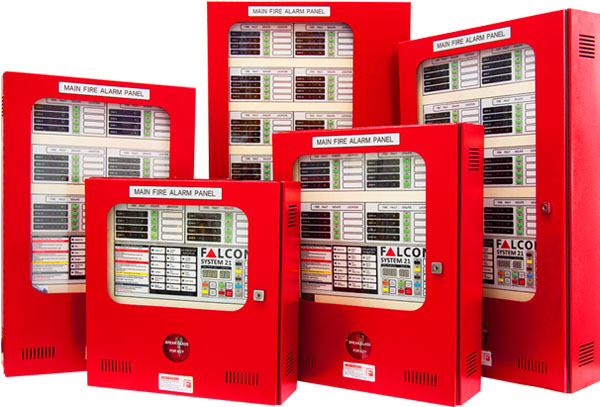
- The control panel shows fault messages
- The system reacts slowly during testing
- Certain detectors keep triggering repeatedly
A lot of businesses ignore these things because the system still “works most of the time.” But that is exactly how bigger failures happen later.
Regular Maintenance Makes a Huge Difference
Honestly, many false alarm problems are preventable.
Routine Alarm Maintenance helps identify faults before they turn into expensive repairs or dangerous failures.
A proper service check usually includes things like:
| Maintenance Task |
Why It Helps |
|
Cleaning detectors |
Reduces unnecessary triggers |
|
Testing wiring |
Finds damaged connections |
|
Checking batteries |
Prevents backup failure |
|
System testing |
Confirms proper response |
|
Inspecting components |
Spots ageing equipment early |
None of these things seem dramatic on their own, but together they keep the system dependable.
Older Systems Tend to Struggle More
This is something many buildings in Singapore are starting to deal with now. Older systems were designed for a different time. Technology has changed, and modern buildings place much heavier demands on safety equipment.
Ageing fire suppression systems often become less reliable simply because their components wear down after years of use.
That can lead to:
- Random false alarms
- Delayed responses
- Faulty communication between systems
- Increased servicing problems
- Accidental discharge of the suppression system
Sometimes repairs are enough. In other situations, upgrading parts becomes the smarter option long term.
Why Ignoring the Problem Gets Expensive
A lot of businesses delay repairs because they assume it can wait. But false alarms do not usually fix themselves.
In fact, the longer the issue continues, the more disruptive it becomes.
Some of the hidden costs include:
- Interrupted business operations
- Lost productivity
- Frustrated tenants or staff
- Unnecessary emergency callouts
- Reduced trust in the system
And the biggest risk? People may stop responding properly during a real emergency.
Fire Safety Systems Need to Work Together
Modern systems are built to support each other.
For example:
- Detection systems identify early warning signs
- The fire alarm system alerts occupants quickly
- Fire suppression systems respond automatically
- Backup tools like a fire extinguisher help with immediate control
When one part develops faults, the entire process becomes less effective.
That is why maintenance is not just about fixing one device. It is about making sure the whole system works together properly.
A Few Simple Habits Can Help
Not every problem requires a major repair right away. There are small things businesses can do to reduce issues between inspections:
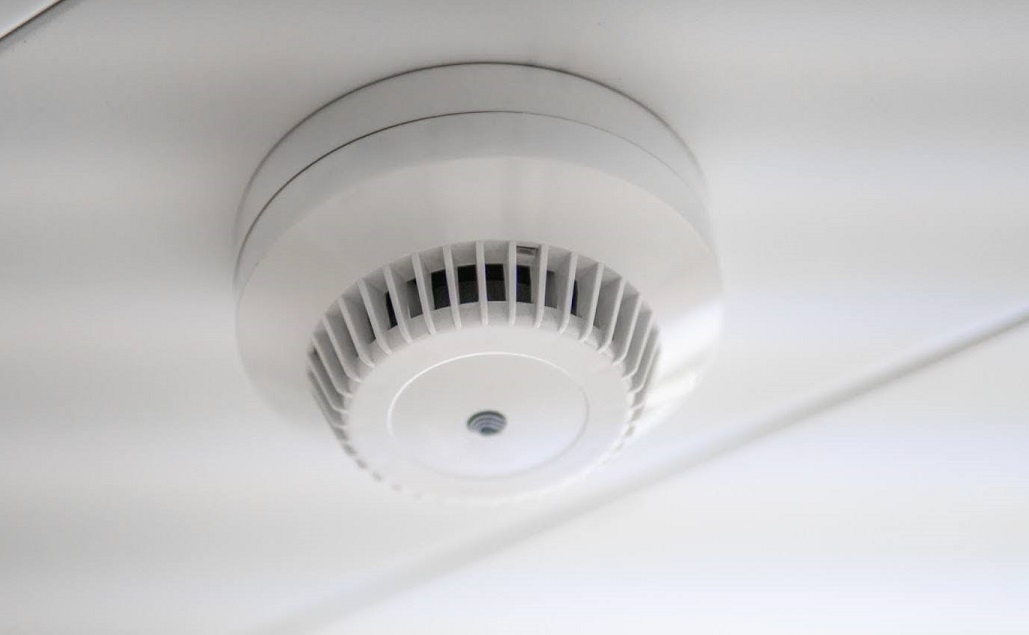
- Keep detectors free from dust
- Pay attention to warning lights
- Arrange servicing on schedule
- Do not ignore repeated faults
- Replace outdated equipment when necessary
These habits sound basic, but they help more than people realise.
Quick Repairs Matter More Than Most People Think
One thing experienced technicians often notice is how small faults slowly become larger ones. A loose wire today may lead to complete failure later.
That is why early repairs matter. They help avoid larger disruptions and keep systems reliable when they are actually needed.
And in safety systems, reliability is everything.
Conclusion
At Firetronics, the goal is not just to fix false alarms temporarily. It is to help businesses in Singapore maintain systems they can genuinely rely on. Through proper Alarm Maintenance, detailed inspections, and timely repairs, recurring issues can be reduced before they turn into larger safety concerns. Whether the problem comes from ageing components, poorly maintained fire suppression systems, or hidden electrical faults, regular servicing helps keep everything working smoothly. A dependable system should provide reassurance, not constant interruptions.
Frequently Asked Questions
1. Why does my alarm trigger even when there is no fire?
Dust, humidity, faulty sensors, or wiring problems are some of the most common causes.
2. How often should Fire Alarm Maintenance be done?
Routine servicing should be scheduled regularly to keep systems reliable and compliant.
3. Can false alarms damage business productivity?
Yes. Frequent interruptions affect staff focus and daily operations.
4. Do old systems develop more problems?
Generally yes. Older systems are more likely to experience faults and reliability issues over time.
5. Is it safe to ignore occasional false alarms?
No. Even occasional false alarms can indicate underlying system problems that should be inspected.